
Why team-building matters more than ever in the age of AI
As artificial intelligence automates more digital work, human connection, collaboration, and shared experiences are becoming increasingly valuable.
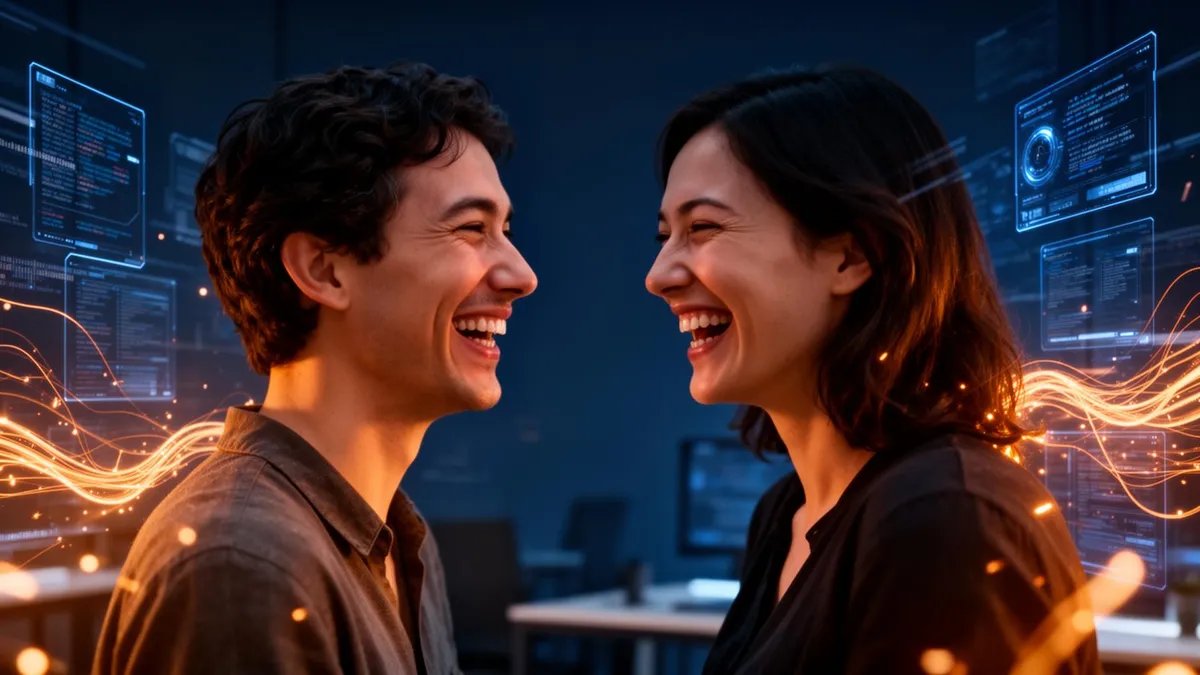
The premise
In 2026, AI is rapidly transforming how people work. Meetings are summarized automatically. Content is generated instantly. Tasks that once required entire teams can now be handled by software.
At the same time, something else is becoming increasingly valuable: human interaction.
As more work becomes digital and automated, experiences that create collaboration, movement, shared memories, and real-world interaction are becoming more important — not less.
01 — The paradox
The paradox of automation
The more efficient digital work becomes, the easier it is for teams to become operationally disconnected from one another.
People may communicate constantly online while interacting less meaningfully in person. Calendars stay full. Threads stay active. And yet teammates can go months without sharing a real moment together.
This creates a growing need for intentional social experiences — moments deliberately designed to bring people back into the same room, street, or shared adventure.
Digital efficiency
Increasing
Ambient interaction
Decreasing
Intentional connection
More valuable
02 — The fabric
Why shared experiences matter
Teams rarely build strong relationships through dashboards alone.
Shared experiences create the kind of social fabric productivity software has never been able to manufacture — the inside jokes, the small acts of trust, the moments people quote back to each other later.
Trust
Built in micro-moments of collaboration that no async tool can stage.
Communication
Improved by hearing how a colleague thinks out loud in real time.
Social memory
Made of stories — the kind people repeat at the next offsite.
Belonging
A sense that the team is a place, not just a project tracker.
03 — The frame
Movement, play & collaboration
Play lowers the social cost of interaction. When a team is solving a puzzle, exploring a neighborhood, or chasing a checkpoint together, hierarchy quietly fades and conversation flows differently.
Multiplayer experiences work because they give people a reason to move, look up from a screen, and respond to each other in real space. Not as a performance — but as a side effect of the game itself.
In a world where most collaboration is mediated by software, multiplayer experiences function as natural social frameworks — structured enough to be welcoming, open enough to feel human.
- Movement breaks the meeting posture
- Play lowers social friction
- Exploration creates spontaneous talk
- Low-pressure collaboration builds trust
04 — The forecast
The future of team-building
The next generation of team experiences won't choose between technology and humanity. It will blend them.
AI will personalize the format. Multiplayer systems will coordinate the group. Real-world interaction will carry the emotional weight. Each layer doing what it's actually good at.
As AI continues to handle more structured digital tasks, human-centered experiences may become one of the most important ways organizations maintain culture, creativity, and collaboration.
05 — The application
Why this matters for events
The conversation about AI and work isn't abstract for organizers. It shows up directly in the formats people are asked to design.
Conferences
When the schedule is dense and the agenda runs itself, the connections people remember happen in the gaps between sessions.
Hybrid work
When most collaboration lives in chat threads, the rare in-person moment carries the social weight of an entire quarter.
Distributed teams
When teammates live across time zones, shared experiences become the connective tissue that documents and meetings can't replace.
Company culture
Culture is less about values on a wall and more about the moments people quote back to each other six months later.
Onboarding
New joiners ramp on a product in a week. Belonging takes longer — and is built through real interaction, not orientation slides.
The takeaway
Build experiences people actually remember.
AI will keep getting better at the digital work. The job left for us — and for the moments we design for our teams — is everything that happens in the room.
Your event, unforgettable
Tell us the venue.
We'll bring the game.
A 30-minute call is enough to design exactly what your guests will be doing — and posting about — on the day.